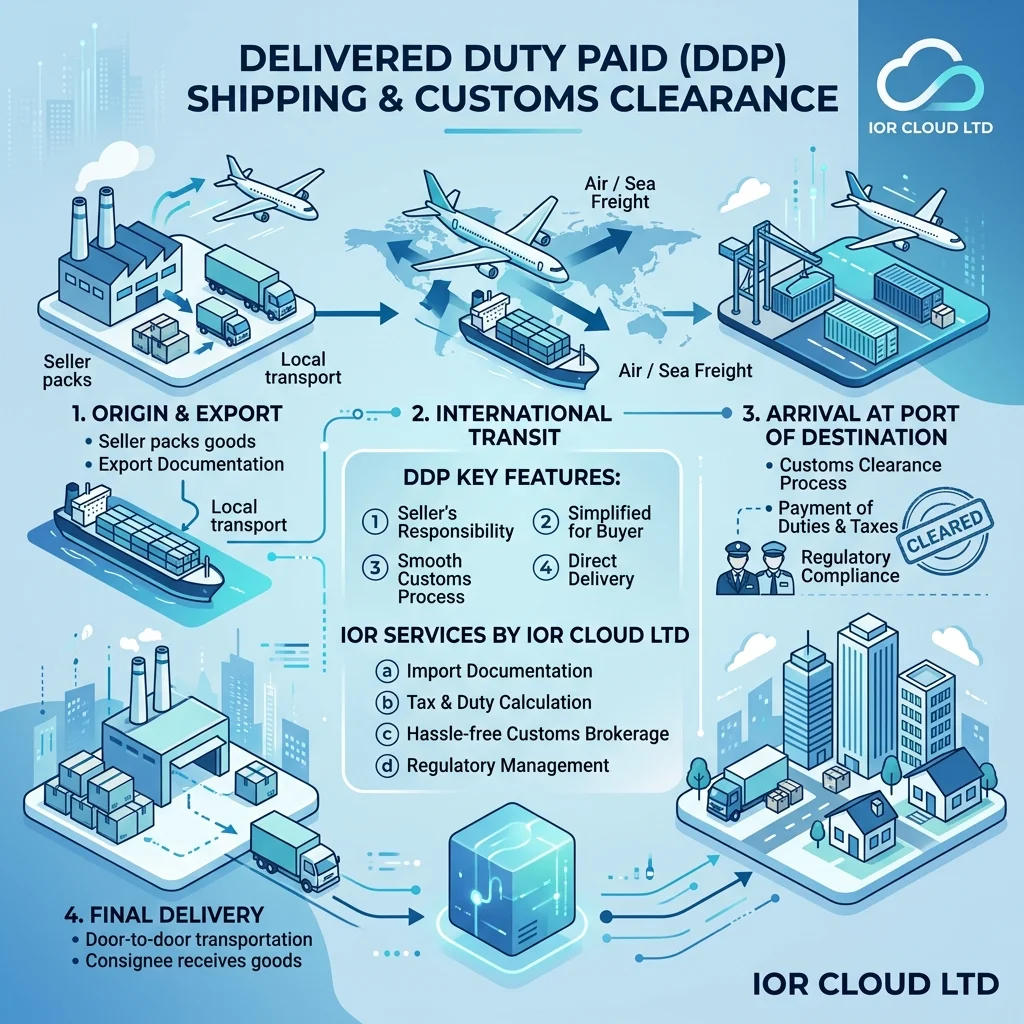

Understand the implications of evolving GSP trade preferences on your global IT hardware supply chain.
The global landscape for How Changes in GSP Trade Preferences Impact IT Hardware Import Costs and Global Supply Chain Strategy is evolving rapidly. Businesses must adapt to new regulatory frameworks and supply chain demands to maintain operational efficiency and compliance.
The Strategic Importance of Trade Compliance
Understanding the nuances of Trade Compliance is no longer optional. It requires a proactive approach to risk management, resource allocation, and technological integration. Organizations that excel in this area often see a direct positive impact on their bottom line.
Key Challenges in the Current Market
One of the primary hurdles organizations face is the complexity of cross-border coordination. Whether dealing with fluctuating tariffs, stringent documentation requirements, or logistical bottlenecks, the margin for error is incredibly slim.
- Regulatory Compliance: Navigating the intricate web of international trade laws.
- Supply Chain Visibility: Maintaining real-time tracking of goods across multiple transit points.
- Cost Management: Balancing operational expenses against the need for speed and reliability.
Transforming Operations Through Technology

Adopting digital-first strategies has proven to be a game-changer. From automated customs filing systems to AI-driven predictive analytics, technology provides the leverage needed to overcome traditional barriers in Trade Compliance.
Real-World Applications
For example, implementing automated compliance checks can reduce clearance delays by up to 40%. Similarly, leveraging cloud-based inventory management allows for dynamic rerouting of shipments in response to unforeseen disruptions.
Best Practices for Moving Forward
To capitalize on these opportunities, companies should focus on building resilient, agile frameworks. This involves investing in continuous training for compliance teams, upgrading legacy IT infrastructure, and fostering strong partnerships with experienced third-party logistics providers.
Conclusion
In conclusion, mastering the elements of How Changes in GSP Trade Preferences Impact IT Hardware Import Costs and Global Supply Chain Strategy is a continuous journey. As the global market grows more interconnected, the strategies discussed here will be vital for sustaining growth and mitigating risk in the years to come.